
Why do porta potties smell in the first place?
Odor comes from three things: tank fill level, heat, and time between services. A standard porta potty rental holds 60 to 70 gallons of waste and chemical deodorizer, and that chemical is doing real work breaking down waste and masking gas. Once the tank gets past half full, or once a Grand Prairie summer pushes the inside temperature up, that balance shifts fast. ANSI/PSAI Z4.3 sets the baseline service interval at once a week for up to 10 users across a 40 hour week, and that number assumes normal use, not a 200-person weekend event. Heavier crews or event crowds need more frequent pumping, not a bigger tank. If you are trying to figure out how many units your job actually needs, our guide on how many porta potties do I need walks through worker counts and OSHA 1926.51(c) ratios. Placement matters too. A unit baking in direct sun all day in a Grand Prairie July will smell worse than one set in shade, and our porta potty placement guide covers where to put units so airflow and sun exposure work in your favor instead of against you.
How often are porta potties cleaned to control smell?
Weekly is the standard interval, but busy sites and events need more. Our how often are porta potties cleaned page breaks down service schedules in detail, but the short version: a construction site running 20 workers or fewer typically holds to one toilet per OSHA 1926.51(c), serviced weekly, while an event with hundreds of guests over a single day needs a same-day or next-day pump-out. A deluxe flushable porta potty with a flush mechanism and a hand rinse still needs the same tank service. It flushes, it does not empty itself. For weekend weddings or festivals in Grand Prairie, we schedule service to hit right before doors open, not the night before. That timing gap is often the real reason a rented unit smells by guest arrival, not the equipment itself.

Do porta potties smell worse in certain weather or seasons?
Heat is the main driver. Warm weather speeds up the breakdown process inside the tank, which is exactly why deodorizer chemistry and service frequency both matter more in July than in January. Grand Prairie summers run hot and humid, and a unit sitting in full sun for eight hours will smell stronger by afternoon than one serviced that morning and kept shaded. Cold weather brings a different problem entirely; our porta potty in winter page covers how freezing temperatures affect chemical performance and flush units. For long-term rentals spanning both seasons, check our monthly porta potty rental page for how service frequency and pricing adjust. A restroom trailer rental with climate control handles temperature swings better than a standard unit, which is why we see more trailer requests for summer events and multi-week jobs.
Can placement or unit choice reduce odor?
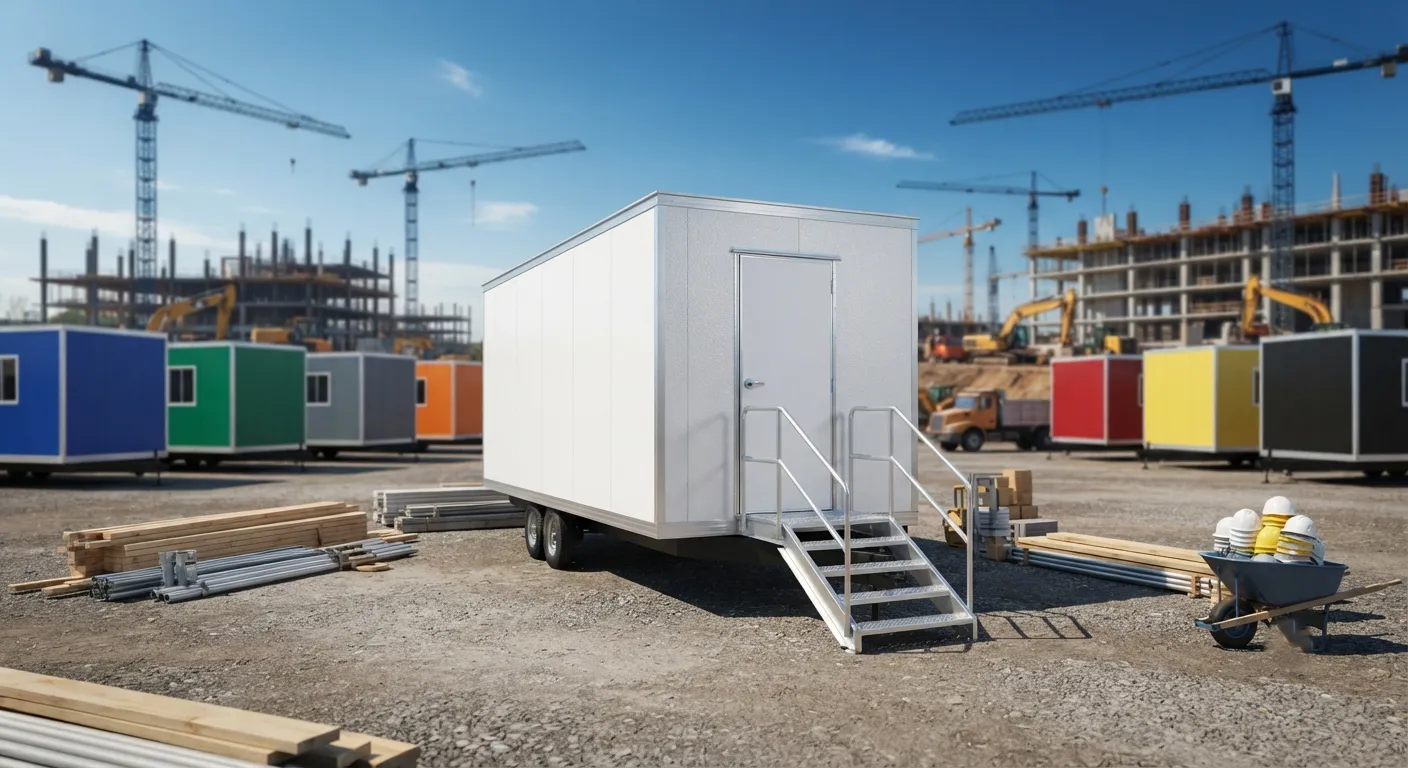
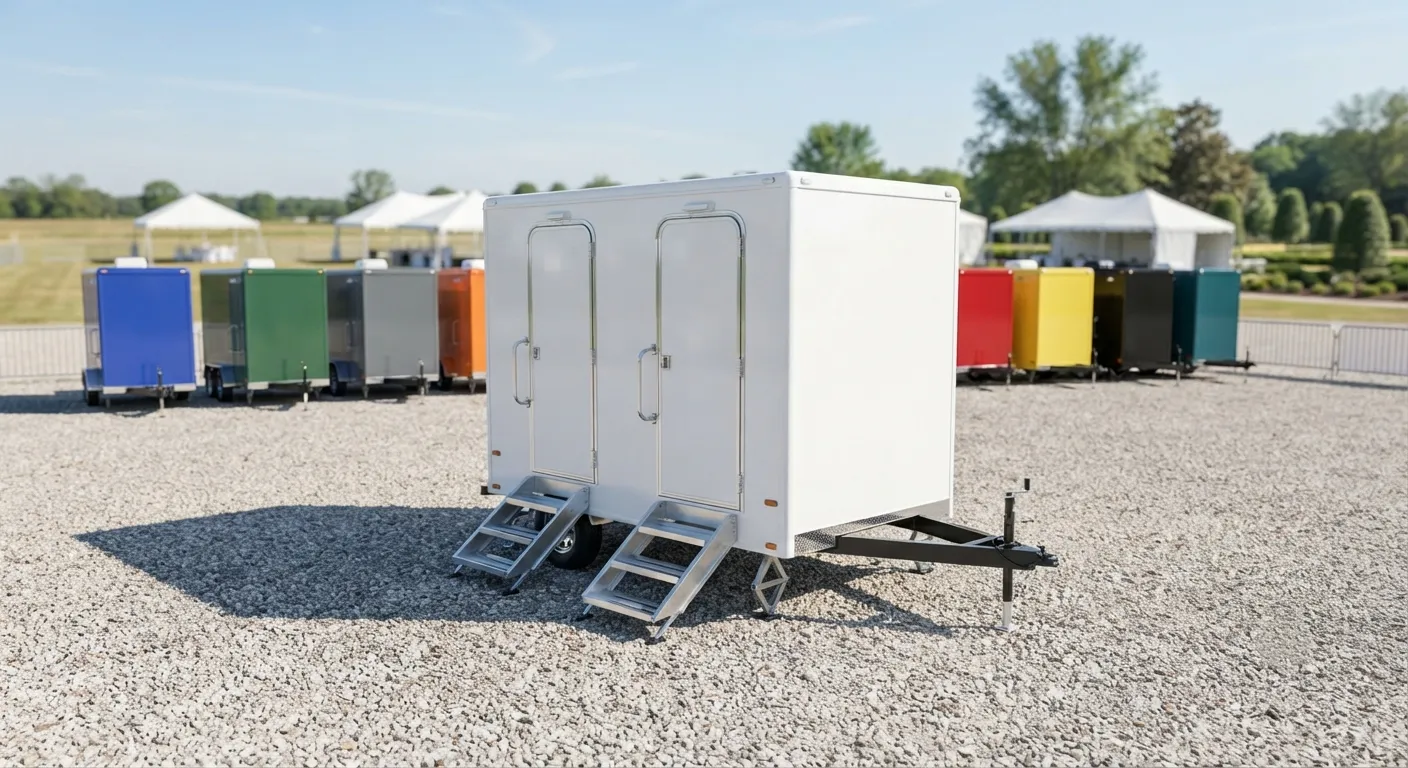
Placement and unit type both matter more than people expect. Keep units out of direct sun, away from building air intakes, and place them so the door does not face foot traffic; that alone cuts complaints. An ADA accessible porta potty needs the same 60 inch turning circle under ADA Standards 304.3.1 and a 32 inch clear door opening under ADA Standards 404.2.3, and those larger dimensions do not change odor control, just accessibility. For events where appearance and smell both matter, a luxury restroom trailer or an 8 stall restroom trailer uses fresh-water flush and a vented interior, which handles odor differently than a standard chemical tank. If you are comparing costs between the two, our porta potty rental cost page and restroom trailer rental cost page lay out the price gap directly.
Pricing snapshot
| unit | day | week | month |
|---|---|---|---|
| standard | $100-$350 | $130-$500 | $125-$325 |
| deluxe | $85-$1200 | $150-$290 | - |
| ada | $200-$400 | $240-$400 | - |
A weekend rental for a standard unit runs $125 to $400, useful for a Saturday event where you do not need a full week. See porta potty rental per day for daily breakdowns by unit type.
Does using more deodorizer chemical stop smell completely?
No. Chemical deodorizer reduces odor but cannot substitute for service frequency. ANSI/PSAI Z4.3 assumes weekly service for 10 users; heavier use needs faster pump-outs, not stronger chemical. If a unit smells within a day or two of delivery, it is a usage or placement issue, not a chemical one.
Do porta potties smell worse than a home bathroom?
They can, especially under heavy use or heat, but a properly serviced unit close to service intervals should not smell noticeably from a few feet away. Grand Prairie job sites running standard rotation report far fewer complaints than sites that stretch service past a week.
Is there a difference in smell between standard and flushable units?
Yes. A deluxe flushable porta potty uses a flush mechanism that clears the bowl after each use, cutting visible waste and some odor between services. The holding tank still needs regular pumping regardless of flush type.
Can hand sanitizer stations help with odor near restrooms?
Not directly for restroom odor, but 29 CFR 1910.141(d)(2) requires soap and towels or a hand-drying device at handwashing stations, and a clean handwashing setup nearby improves the whole area's impression. See handwashing station rental for options.
Should I request extra service for a Grand Prairie summer event?
Yes. Heat accelerates odor buildup, so events running through hot afternoons benefit from a service call scheduled right before guest arrival rather than the prior evening. Ask about this when you request a quote for your event date.
Next step
Get a delivery date
Tell us the address, the dates and the headcount. We size the order and confirm the route.