
How many restrooms does a race need?
Runner counts drive the number, but so does course length and how spread out the aid stations are. OSHA 1926.51(c) sets a construction ratio of one toilet per 20 workers, and while a race is not a job site, event planners use it as a rough baseline for staffing tents and volunteer zones. For runners themselves, most races place units in clusters at the start, finish and mile markers rather than spacing them evenly. A half marathon with 2,000 runners typically needs restrooms grouped at the corral, the finish line, and two or three points along the course. Check how many porta potties do I need for a fuller breakdown by headcount, and look at event restroom rental for how race day differs from a wedding or festival order. Standard units rent in the 200 to 400 dollar range for a weekend, which covers most single-day races with a Saturday morning start. If your course also has a health fair or vendor row at the finish, add a few extra units there separate from the runner clusters, since foot traffic backs up fast once the crowd finishes. Grand Prairie Porta Pros can walk your route with you before race weekend to flag placement issues, especially at narrow trail sections or bridge crossings where a service truck cannot get close. For courses that loop near construction zones or event grounds with existing power, see temporary power pole for how organizers handle lighting and PA systems at the finish line.
What about accessible units and power at the finish?
Every race with a public finish line needs at least one accessible restroom per ADA Standards 213.2, and the route to it has to stay clear. ADA Standards 403.5.1 requires a 36 inch minimum clear width on that path, and ADA Standards 404.2.3 sets the door opening at 32 inches minimum, so the unit has to sit on level ground with nothing blocking the approach. See ADA accessible porta potty for unit specs and ADA restroom requirements for the fuller placement rules. Finish lines often run timing clocks, PA speakers and a results board off generator or pole power, and organizers ask us often how to brace a temporary power pole on grass or asphalt where there's no anchor point. The short answer: use ballast weights or guy lines rated for the pole height, keep the base clear of the runner corridor, and route cords away from foot traffic, since a loose pole near a finish chute is a hazard nobody wants on race day. Pair that with light tower rental if your race starts before sunrise, which is common for summer events in Grand Prairie trying to beat the heat. For hydration stations and post-race cleanup, handwashing station rental covers the sinks most races add near food tents, and 29 CFR 1910.141(d)(2) requires soap and towels or a hand dryer at any washing station, not sanitizer alone.
When should I book restrooms for a race?
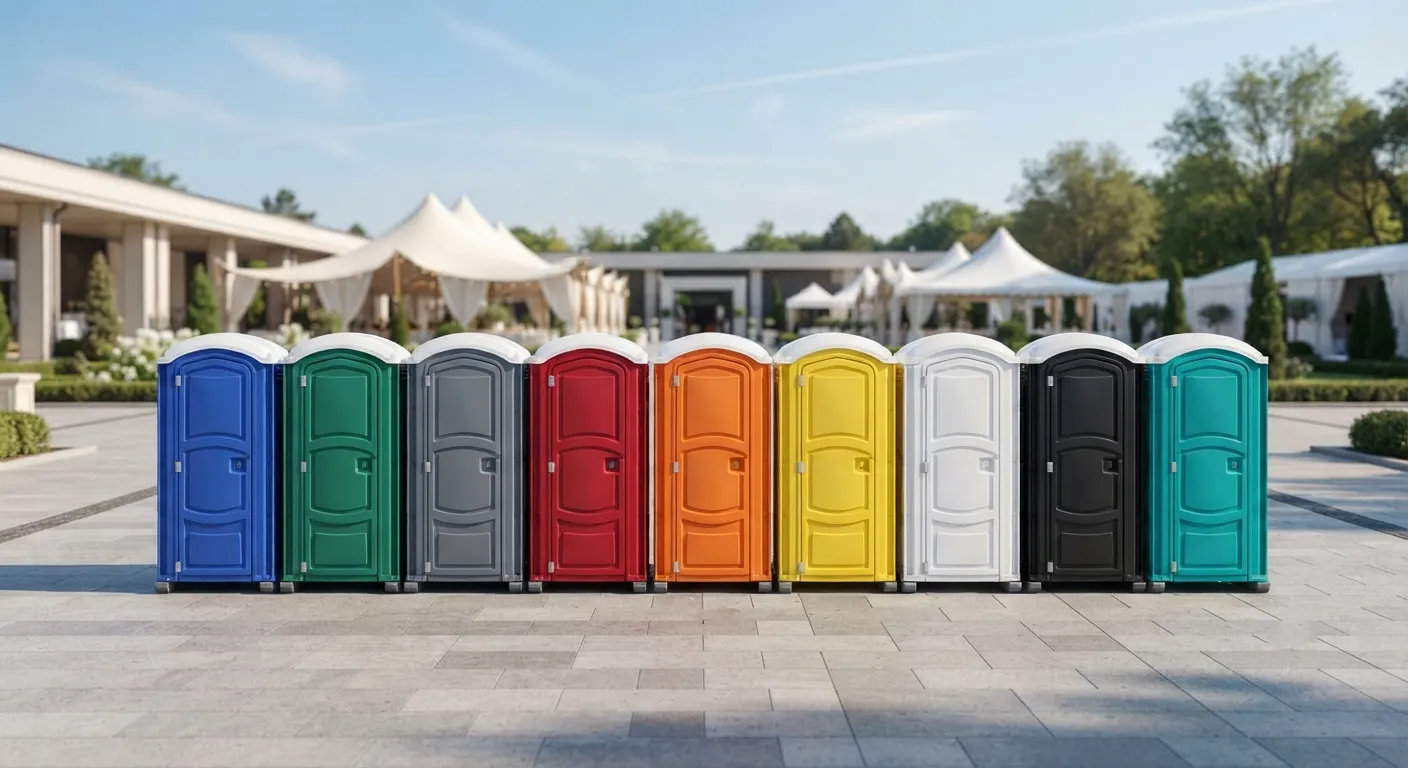
Book as soon as your course map and runner count are close to final, ideally 6 to 8 weeks out, since weekend demand for standard units runs heavy across spring and fall race season. Grand Prairie sits within a short drive of several race-friendly towns, including Duncanville 8.5 miles southeast and Mansfield 13.5 miles southwest, so if your course crosses a city line you may need to coordinate placement with more than one municipality. Delivery trucks need about 60 feet of straight clearance behind them to unload a unit, which matters on narrow park roads or trail heads with limited turnaround room. Standard units run 100 to 350 dollars a day depending on order size and delivery distance, and weekly rates run higher for races that also cover setup days. Deluxe flushable units cost more but suit VIP tents or sponsor areas; see deluxe flushable porta potty for that option. If you are still comparing race restrooms to a smaller charity fun run or a golf tournament format, golf tournament restrooms and marathon and race restrooms both route back to this cluster's main event restroom rental page for planning. For multi-day festivals tied to a race weekend, check festival restroom rental and concert restroom rental for how those setups differ.
How far in advance should I reserve restrooms for a race?
Reserve 6 to 8 weeks ahead if possible, especially for spring and fall weekends when demand peaks. Standard units book fastest. Larger races with ADA units, handwashing stations and power poles need more lead time for the full layout, not just the count.
Do I need a permit to place restrooms on a public race course?
Placement on public streets or park land often needs city sign-off, and that is not verified here, so confirm with Grand Prairie before race day. See porta potty permit requirements for the general process to check.
Can restrooms be moved between aid stations during the race?
No, once delivered units stay put for the event. Plan your layout before delivery, since trucks need roughly 60 feet of clearance to reposition a unit and that is not practical mid-race with runners on course.
What size crew needs a handwashing station at the finish?
Any station serving food or medical tents should have one, per 29 CFR 1910.141(d)(2) requiring soap and towels. See handwashing station rental for unit options sized to finish-line crowds.
How do I brace a power pole near the finish line?
Use ballast weights or rated guy lines matched to pole height, keep the base outside the runner path, and route cords clear of the chute. See temporary power pole for setup details.
Next step
Get a delivery date
Tell us the address, the dates and the headcount. We size the order and confirm the route.